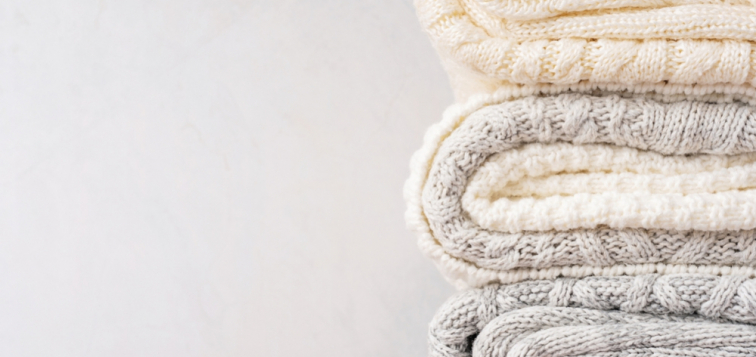
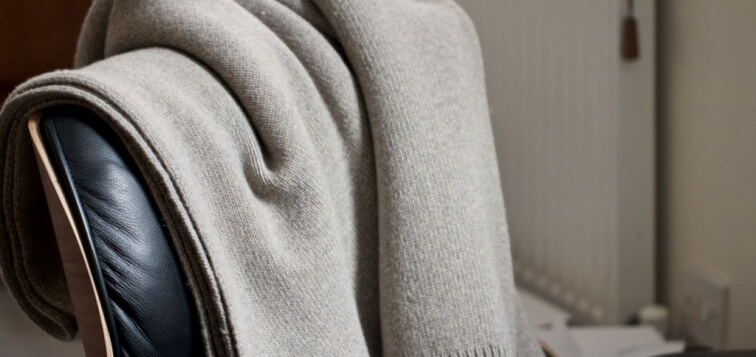
When it comes to choosing a sweater, many hesitate between classic wool and cashmere. Both materials have their specific advantages and disadvantages, influencing not only comfort but also the appearance and longevity of the garment. Understanding these differences can help you make an informed choice that best meets your needs.
Fiber Origin
The main difference between wool and cashmere lies in the origin of the fibers. Wool is primarily obtained from sheep, although other animals like Angora goats can also be a source. In contrast, cashmere comes from goats specifically bred for this purpose, often in the mountainous regions of Central Asia.
The harsh environment in which these goats live allows them to develop a fiber exceptional for its softness and warmth. This origin directly influences certain properties of cashmere, such as its lightness and its ability to retain body heat more effectively than traditional wool.
Fiber Structure
Another major distinguishing point between these materials is the structure of the fibers. Wool fibers are generally thicker than cashmere fibers, giving wool sweaters a slightly coarser texture. With merino wool, however, we observe increased fiber fineness, resulting in softer and more delicate garments.
In comparison, cashmere fibers are extraordinarily fine and soft. This fineness contributes not only to the sense of luxury inherent in cashmere but also to its exceptional thermal capabilities. Indeed, the small diameter of cashmere fibers traps more heat, making a cashmere sweater warmer despite its apparent lightness.
Thermal Properties and Comfort
The thermal properties of both materials are different but equally regulating. A wool sweater is often considered warm and durable, capable of maintaining a pleasant body temperature during cold winter days. That said, not all types of wool offer the same qualities; merino wool, for example, is renowned for its increased insulating performance thanks to its fineness.
On the other hand, the softness of cashmere combined with its excellent thermal insulation makes this material the ideal choice for those seeking superior comfort. Although lightweight, cashmere sweaters effectively retain heat, making this fiber particularly prized in winter.
Thickness and Lightness
In terms of thickness and lightness, cashmere sweaters often outperform wool sweaters. A cashmere sweater can be considerably lighter than a wool sweater with the same thermal capacity. This lightness, combined with its softness, offers an incomparable wearing sensation.
That said, some wool pieces, especially when knitted with merino wool, can offer lightness without sacrificing warmth. For garments requiring increased durability, such as sweaters intended for heavy use, standard wool might be preferred due to its robustness.
Fiber Resistance and Shrinkage
Beyond comfort, it is important to consider fiber resistance. Wool is recognized for its robustness and, if maintained correctly, resists daily wear well. However, inadequate washing of certain wools can cause shrinkage or unwanted felting.
Cashmere, being more delicate, requires gentle care. Many fear the shrinkage and possible pilling that cashmere fibers can undergo if they are not hand-washed or cleaned on a delicate cycle. However, this special care ensures that cashmere sweaters maintain their original shape and continue to provide soft warmth season after season.
Price and Investment Cost
Economically, the gap between these two materials is significant. Cashmere is often seen as an investment due to its high price. Its meticulous harvesting process and relative rarity explain its cost. However, it offers a value for money justified by the unique combination of softness, lightness, and thermal properties.
In contrast, wool generally offers a more affordable option. High-end varieties like merino wool still have a lower price point than cashmere, while providing an interesting compromise between thermal comfort and durability. Both fashion veterans and novices can find in wool a prudent and pragmatic choice to keep their wardrobe functional and elegant.